


If you've started your research, you know that establishing a kitchen remodel budget is like trying to get a sumo wrestler into skinny jeans. Even trying to find an "average" budget for a kitchen remodel is like searching for a mythical creature that seems to vanish as soon as you get close! You've started with a hopeful smile, approached cautiously, gotten a stack of quotes from contractors, only to end up shedding tears into your coffee. Who wants average though, really? You need to consider what's important to you. The "average" kitchen budget may not cover everything you want and let me be the first to dismiss anything you've seen on HGTV as realistic. There are a few things to consider as you get started: 1) (Re)Moving walls is not cheap - consider implications to flooring, electric, plumbing, HVAC or other things that may be "hiding" in the wall. Flooring will have to be fixed too! Just don't underestimate if this is part of your plan 2) Moving sinks to islands seems like a great idea. Add relocating plumbing to the budget! 3) Appliances - what are the odds that you put in all new cabinets and don't trade in that side-by-side refrigerator from 2004? 4) Searching online? Great place to start. Those cabinets are not going to build or hang themselves. 5) Throwing it all away? Add in a dumpster (though we heartily promote donating to a local Habitat ReStore). These things can all be accomplished, just be sure you know going into the budgeting process what is really important and what is nice to have - it will make establishing your starting point that much easier. So, here's to you, brave homeowner, on your quest to define your kitchen remodel budget. May you emerge victorious, with a kitchen so fabulous that it puts a smile on your face every time you whip up a meal—and a story to tell that'll make your friends laugh and cry simultaneously! Happy budget hunting and stay tuned for helpful tips on establishing your budget! Bucks County Kitchens Cabinets Remodel Budget Kitchen Remodel Budgeting Kitchen Remodel Planning Flooring & Surfaces
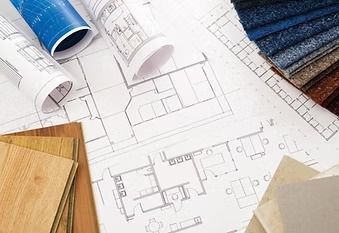
Welcome to the start of your "permitted remodel.” Yes, today we're discussing the sometimes-bewildering realm of dealing with remodel permits for your home project. Buckle up, because this rollercoaster ride is a bureaucratic jungle. The Forbidden Toilet – Imagine you've embarked on a bathroom remodel that involves moving the toilet from one corner of the room to another. Seems harmless, right? Wrong! In the world of permits, relocating a toilet can be as complicated as negotiating a peace treaty. Who knew that the porcelain throne had such strict zoning laws? The Mystery of the Vanishing Stairs: In your efforts to create open living space, you've decided to tear down a wall and relocate the stairs. Hold your horses! Those stairs didn't just magically appear there – they were placed under the watchful eyes of the permit gods. Stairs have specific needs that vary from place to place. The allowance between the rails will save you, your children, visitors and even your pets from danger when done right! The Epic Battle of the Open Kitchen: You dream of opening a wall to your kitchen and putting in a 10-foot island that would make Joanna Gains weep with envy (ok, admittedly that would be hard to do). Armed with your power tools, you set to work, oblivious to the lurking beast of electrical, structural, plumbing and other permits. This formidable foe demands engineering drawings, calculations, and perhaps a small sacrifice to the patron saint of kitchens. Don’t let the lack of permit postpone your Thanksgiving plans! The Haunting of Unpermitted Windows and Doors: You've decided to brighten up your home with a few new windows or a great sliding door to a new deck. What could be wrong with cutting a hole in the wall? The "unpermitted window" or the “unpermitted door” may seem innocent enough – after all it’s your house - but keeping a dark secret like installing without proper city blessings could mean that plywood covering the hole you cut will be a permanent fixture until everything is signed off! Permits are like the Gandalfs of home remodeling – you might not fully understand their magic, but you need their guidance. From stairs to updated decks, your remodel likely needs a stop at the township. If you’re in the Yardley area, here is a helpful link to be sure you start this ride buckled up, arms and feet inside and following the rules: https://www.lmt.org/media/6188/general-instructions-for-permits.pdf . If you’re outside of the area, a simple Google search will get you going. Before you put a down payment on your remodel, consult the township or your architect on what you’ll need to stay on the up and up! Kitchen Remodel Planning
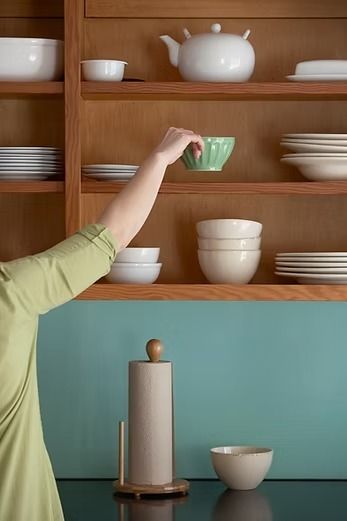
The kitchen is the heart of the home and has evolved from pure utility to a multi-faceted space central to family life and entertainment. As homeowners and designers grapple with choosing form or function, the tension between aesthetics and practicality continues to be a pivotal point of discussion in the world of kitchen design. Let’s explore both sides and learn how to strike a balance when creating your dream kitchen. The Importance of Functionality Before diving into aesthetics, it is critical to address the primary function of any kitchen: to prepare and cook food. Here are some key aspects of functionality to consider: 1. Layout: The kitchen's layout should be intuitive and ergonomic. The classic kitchen work triangle (stove, sink, and refrigerator) is still relevant, as it minimizes unnecessary movement when cooking, but has evolved as kitchens have restructured to incorporate islands and other conveniences. 2. Storage: Adequate storage solutions are vital for an efficient kitchen. Customized cabinets and drawers help maximize space and keep your kitchen organized. 3. Appliances: Choose high-quality appliances that meet your needs. Energy-efficient models can save you money in the long run. 4. Countertops: Durable and easy-to-clean countertops are essential when there are little ones in the mix. Sturdy materials like granite, quartz, or solid surface options can make life easier than more porous options like marble or quartzite. 5. Lighting: Proper lighting is key for both safety and functionality. Task lighting in work areas and ambient lighting for overall illumination are important considerations. The Aesthetic Aspect While functionality is necessary, a well-designed kitchen can be a work of art. Here are some aspects to consider when focusing on aesthetics: 1. Color Scheme: The color palette sets the tone for your kitchen. Choose colors that demonstrate your personal style and create harmony with the rest of your house. 2. Materials and Finishes : The choice of materials, such as cabinetry, countertops, and backsplashes, can greatly impact the kitchen's appearance. Mixing materials and finishes adds depth and character to the space. 3. Cabinetry Design: Custom cabinetry allows for a tailored look. Consider styles, such as shaker, contemporary, or traditional, that align with your design vision. Decisions about layout and storage can also hide seldom-used appliances that could otherwise clutter your beautiful counters. 4. Hardware and Fixtures : Cabinet hardware, faucets, and lighting fixtures can serve as stylish accents – we like to refer to these as the “jewelry of the kitchen.” These details can elevate the overall aesthetic of your kitchen. They can also help achieve a higher end look without breaking the bank on custom cabinetry. 5. Personalization: Add personal touches, such as artwork, open shelving to display decorative items or your favorite wines, or a statement backsplash, to make the space uniquely yours. So, how can you find the perfect equilibrium between form and function in your kitchen design? 1. Prioritize Your Needs : Start by identifying your specific needs and preferences. Determine which aspects of functionality are non-negotiable, and which areas can be more flexible for design experimentation. 2. Consult a Professional: Enlisting the expertise of a professional kitchen designer can be invaluable. They can help you navigate the complexities of balancing form and function while ensuring your kitchen meets your requirements. 3. Research and Inspiration: Explore design magazines, websites, and social media for inspiration. Create mood boards to visualize how you want your kitchen to look and function. 4. Test Drive the Layout: Before finalizing your design, create mock-ups or use kitchen design software to see how the layout and aesthetics work together in a virtual setting. 5. Budget Wisely : Be realistic about your budget and allocate resources accordingly. Prioritize high-quality, functional elements and allocate leftover funds for aesthetic enhancements. In the culinary cage match of form versus function, there's no clear winner – it's more like a culinary tag team. The ideal kitchen strikes a balance between your personality and your day-to-day needs – your kitchen should make you smile as much as a fresh batch of cookies. By carefully considering your needs, consulting experts, and exploring design options, you can create a kitchen that is both beautiful and practical. Bucks County Kitchens Yardley Kitchen Cabinets Yardley Kitchen Cabinet Trends form and function design trends Cabinets Kitchen Cabinets kitchen aesthetic Cabinet Organizers Kitchen Flow kitchen cabinets bucks county remodel kitchen remodel kitchen organization Coffee Station kitchen layouts hardware kitchen cabinetry kitchen budget Design and Organization